
Winter Landscaping in Raleigh, NC: What Homeowners Should (and Shouldn’t) Do
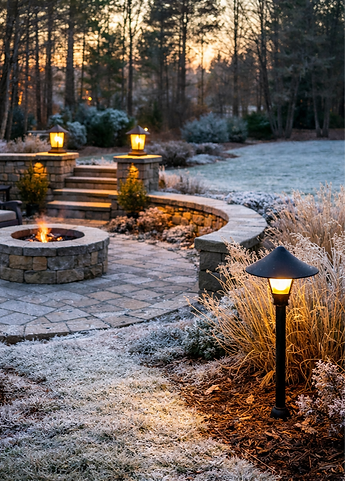
While winter in the Raleigh area is milder than in many parts of the country, it still plays a critical role in the long-term health and performance of your landscape. What you do—or don’t do—during the winter months can make a noticeable difference come spring.
Here’s what homeowners should know about winter landscaping in central North Carolina.
Why Winter Landscaping Matters in North Carolina
Even though our winters rarely bring prolonged freezes, fluctuating temperatures, heavy rain, and occasional frost can impact soil, plants, and hardscape structures. Winter is less about growth and more about protection, planning, and preparation.
1. Protecting Plants from Cold Snaps
Most Raleigh-area landscapes include a mix of native and ornamental plants. While many are cold-hardy, sudden temperature drops can cause damage.
Winter plant protection tips:
Mulch plant beds to regulate soil temperature
Water plants before a hard freeze to protect roots
Cover sensitive plants during overnight frost events
Proper winter care reduces stress and promotes stronger spring growth.
2. Mulching: A Winter Essential
Winter is one of the best times to apply mulch. Mulch acts as insulation, protecting roots from temperature swings while also preventing erosion during winter rain.
Benefits of winter mulching include:
Moisture retention
Reduced weed growth in early spring
Improved soil health
A fresh layer of mulch also keeps your landscape looking clean and maintained year-round.
3. Hardscape Inspection & Maintenance
Winter exposes issues that might go unnoticed during warmer months. Freeze-thaw cycles and heavy rainfall can reveal drainage problems, settling pavers, or wall movement.
Winter is an ideal time to:
Inspect patios and walkways for shifting
Address drainage issues before spring storms
Plan repairs or upgrades without disrupting summer use
Proactive maintenance now prevents costly repairs later.
4. Lawn Care: Less Is More
Lawns go dormant in winter, and over-maintenance can cause harm.
What to avoid:
Heavy foot traffic on frozen or saturated turf
Cutting dormant grass too short
Overwatering during cold periods
Instead, winter is the time to focus on soil health and planning improvements like sod replacement or grading in the spring.
5. Winter Is the Best Time to Plan Spring Projects
If you’re considering a patio, retaining wall, lighting system, or full landscape redesign, winter is the smartest time to plan. Contractors have more flexibility, materials are easier to schedule, and designs can be finalized well before peak season.
Planning early means:
Faster project timelines in spring
Better scheduling availability
A finished landscape you can enjoy sooner
6. Don’t Forget Landscape Lighting in Winter
Shorter days make landscape lighting even more valuable during winter. Proper lighting improves safety during early evenings and highlights your home when daylight is limited.
Winter is also a great time to:
Upgrade outdated fixtures
Fix wiring or transformer issues
Adjust lighting angles after leaf drop
Prepare Now for a Better Spring Landscape
Winter may feel like a slow season, but it’s actually the foundation for a successful landscape year. With the right care and planning, your outdoor space will emerge healthier, stronger, and more beautiful in spring.
At Vogel Landscapes LLC, we help Raleigh-area homeowners protect their landscapes in winter and plan smart upgrades for the seasons ahead.
📞 Contact us today to schedule a winter consultation or start planning your spring project.
